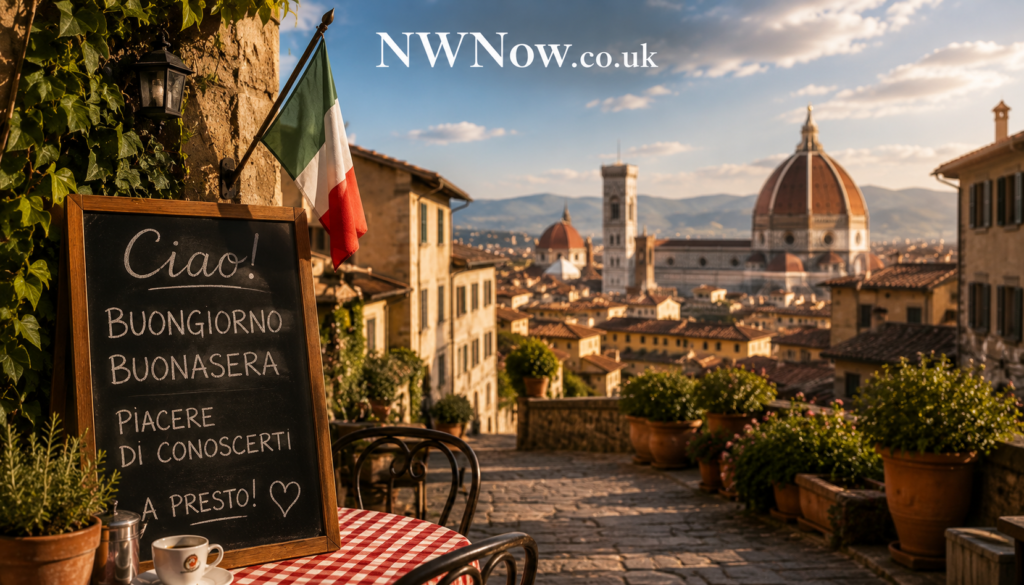

Ciao! You have likely heard this famous greeting before, but saying hello in Italian is more nuanced than you might expect . Italian greetings reflect the culture’s warmth, formality, and regional diversity, making them an essential first step for anyone learning the language or planning a visit to Italy.
This guide provides a comprehensive overview of how to say hello in Italian across different contexts. We will explore formal and informal greetings, regional variations, pronunciation tips, and the cultural etiquette that makes these greetings meaningful. Whether you are greeting a business associate in Milan or a friend in Naples, you will find the right words to make a confident and respectful impression.
The Basics: How to Say Hello in Italian
The most direct translation of “hello” in Italian is ciao (pronounced CHOW) . However, this is the informal way to greet someone you know well. If you are meeting someone for the first time, greeting an elder, or in a business setting, you should use a formal greeting instead .
The most common formal greetings are buongiorno (good day) and buonasera (good evening) . These greetings are not just formal; they are also time-specific, making them a polite choice in most professional or respectful settings.
Formal vs Informal Greetings
Informal Greetings (Friends, Family, and Casual Settings)
When speaking to friends, family, or people your age, you can use:
| Greeting | Pronunciation | Meaning | Use |
|---|---|---|---|
| Ciao | CHOW | Hi/Hello/Bye | Most common informal greeting. Use for both arriving and leaving |
| Ehi | EH-ee | Hey | Catching someone’s attention informally |
| Ciao bella/bello | CHOW BEHL-la/BEHL-loh | Hello beautiful/handsome | Term of endearment for a loved one |
| Ciao raga! | CHOW RAH-gah | Hi guys! | Greeting a group of friends |
Formal Greetings (Business, Strangers, and Respectful Contexts)
In formal situations, you should use these greetings:
| Greeting | Pronunciation | Meaning | Use |
|---|---|---|---|
| Buongiorno | BWON-jee-OR-no | Good morning/day | Until early afternoon |
| Buonasera | BWON-a-SEHR-a | Good evening | Afternoon through evening |
| Salve | SAL-veh | Hello | Semi-formal; safe option when unsure |
| Buon pomeriggio | BWON POHM-eh-ree-jo | Good afternoon | Less commonly used |
How to Say Hello by Time of Day
Italy has specific greetings tied to the time of day. Using the right one shows cultural awareness:
-
Morning until early afternoon: Use Buongiorno
-
Early afternoon: Buon pomeriggio is occasionally used
-
From late afternoon/evening: Switch to Buonasera
-
At night (when parting): Use Buonanotte (good night)
The timing of the switch from buongiorno to buonasera can vary by region. Some areas start using buonasera after lunch, while others wait until 4 or 5 pm .
Phone Greetings
When answering the phone, Italians say pronto? (PRON-toh), which literally means “ready?” . This is a unique greeting that does not translate literally but is standard practice in Italy. It signals that you are ready to listen .
Meeting Someone for the First Time
When you meet someone new, a proper introduction is important:
-
Start with a formal greeting: Buongiorno or Buonasera
-
Say Mi chiamo… (MEE kee-AM-oh) followed by your name
-
Follow with Piacere di conoscerLa (formal) or Piacere di conoscerti (informal) meaning “nice to meet you”
A simple Piacere is also acceptable and commonly used .
Pronunciation Guide
Italian pronunciation is generally consistent. Here are the key rules for greetings:
-
Ciao: Pronounced “CHOW”
-
Buongiorno: “BWON-jee-OR-no”
-
Buonasera: “BWON-a-SEHR-a”
-
Salve: “SAL-veh”
Regional Variations
Italy has 20 regions, and greetings sometimes have local flavor. While ciao is understood everywhere, you might hear:
-
In Milan: uè!
-
In Naples: aò!
-
In Rome: aho!
Regional greetings for “how are you?” also exist, such as cumm’ va? in Naples or comu stai? in Sicily .
Cultural Etiquette: The Physical Greeting
Italians use more than words to greet each other . The physical greeting depends on your relationship:
Handshake
A firm handshake with direct eye contact is the standard greeting for first meetings or formal contexts. Women generally extend their hand first in mixed greetings .
Air Kisses (Il Bacetto)
When greeting people you know well, it is common to give air kisses on both cheeks (starting with your left) . Wait for the other person to initiate this.
Southern Italy Variations
In Southern Italy, men generally only kiss family members and prefer to give a pat on the back to show affection .
Key Takeaways
-
Ciao is the standard informal greeting for “hello” and “goodbye”
-
Buongiorno and Buonasera are formal greetings tied to the time of day
-
Salve is a safe, semi-formal option for first meetings or when unsure
-
Pronto is how Italians answer the phone
-
Italians usually greet with a handshake; close friends use air kisses
-
Regional variations exist, so uè! in Milan and aò! in Naples serve the same purpose as ciao
FAQ Section
What is the most common way to say hello in Italian?
Ciao is the most common informal greeting, used with friends and family. For formal situations, use buongiorno or buonasera .
What is the difference between ‘ciao’ and ‘buongiorno’?
Ciao is informal and used with people you know well. Buongiorno is formal and means “good day,” used in business or with strangers .
Is it ‘salve’ or ‘ciao’?
Salve is semi-formal, making it appropriate for first meetings. Ciao is informal .
How do you answer the phone in Italian?
Italians answer the phone with pronto?, which literally means “ready?” .
Do Italians say ‘hola’?
Rarely. Hola is Spanish. The standard informal greeting in Italian is ciao .
What are some regional Italian greetings?
Regionally, you might hear uè! in Milan, aò! in Naples, or aho! in Rome .
Conclusion
Mastering how to say hello in Italian goes beyond memorising vocabulary. It is about understanding context, formality, and cultural warmth. The Italians do not just greet each other; they take the time to wish each other a good day (buongiorno) or a good evening (buonasera).
Whether you choose a cheerful ciao with a friend or a respectful buongiorno in a shop, your effort to speak the language will be appreciated. As they say in Italy, l’italiano è la lingua dell’amore—Italian is the language of love. Start your journey with a confident greeting, and you will find the doors opening wide.
Read more Johnny Van Zant Net Worth: The Lynyrd Skynyrd Frontman’s Fortune