
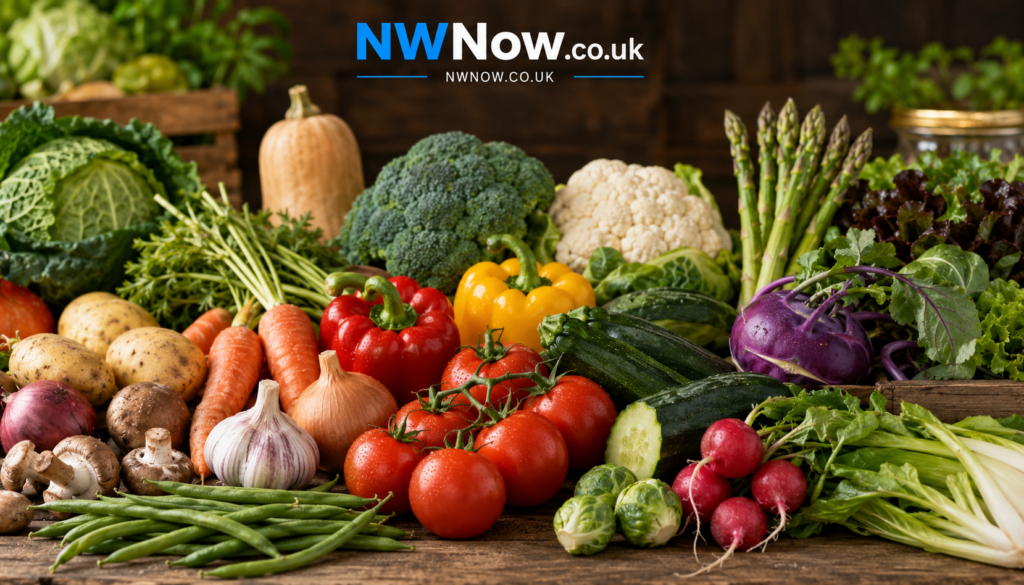

Understanding vegetables is essential for anyone interested in cooking, nutrition, or simply expanding their food vocabulary. Whether you are a seasoned chef, a home cook, or someone just starting their culinary journey, having a comprehensive vegg list at your fingertips is invaluable.
Vegetables form the foundation of healthy eating and feature in cuisines across the globe. From everyday staples like potatoes and carrots to exotic varieties like kohlrabi and okra, the world of vegetables is remarkably diverse. Each vegetable brings unique flavours, textures, and nutritional benefits to the table.
This guide provides a complete A-to-Z list of vegetables. It explores different types of vegetables, answers frequently asked questions, and helps you navigate the wonderful world of plant-based ingredients.
What is a Vegg List?
A vegg list is simply a comprehensive compilation of vegetable names, often organised alphabetically or by category. The term “vegg” is a casual, shorthand version of “vegetable,” commonly used in informal contexts, menus, and online discussions.
Vegg lists serve multiple purposes. They help cooks discover new ingredients, assist shoppers at markets, and aid language learners in expanding their culinary vocabulary. They can also be useful for meal planning, dietary tracking, and understanding the nutritional profiles of different vegetables.
Complete A-to-Z Vegg List
Below is a comprehensive list of vegetables in English, organised alphabetically .
Vegetables Starting with A
-
Artichokes
-
Arugula (Rocket)
-
Asparagus
-
Aubergine (Eggplant)
Vegetables Starting with B
-
Bean Sprouts
-
Beetroot (Beets)
-
Bell Peppers
-
Bok Choi (Pak Choi)
-
Broad Beans (Fava Beans)
-
Broccoli
-
Brussels Sprouts
-
Butternut Squash
Vegetables Starting with C
-
Cabbage
-
Calabrese
-
Capers
-
Capsicum (Bell Pepper)
-
Cardoons
-
Carrots
-
Cassava
-
Cauliflower
-
Celery
-
Chayote Squash
-
Collard Greens
-
Courgette (Zucchini)
-
Cucumber
Vegetables Starting with D
-
Daikon Radish
-
Dandelion Greens
-
Delicata Squash
Vegetables Starting with E
-
Edamame Beans
-
Eggplant (Aubergine)
-
Endive
-
Escarole
Vegetables Starting with F
-
Fava Beans (Broad Beans)
-
Fennel
-
Fiddlehead Ferns
-
French Beans (Green Beans)
-
Frisee
Vegetables Starting with G
-
Galangal
-
Garbanzo Beans (Chickpeas)
-
Garlic
-
Ginger
-
Green Beans
-
Green Onions (Scallions)
Vegetables Starting with H
-
Habanero Pepper
-
Haricot Beans
-
Heirloom Tomatoes
-
Hispi Cabbage
-
Horseradish
Vegetables Starting with I
-
Iceberg Lettuce
-
Italian Red Onion
-
Ivy Gourd
Vegetables Starting with J
-
Jackfruit
-
Jalapeno Pepper
-
Jerusalem Artichokes (Sunchokes)
-
Jicama
Vegetables Starting with K
-
Kabocha Squash
-
Kale
-
Kelp
-
Kidney Beans
-
Kohlrabi
-
Komatsuna (Japanese Mustard Greens)
Vegetables Starting with L
-
Lamb’s Lettuce (Corn Salad)
-
Leeks
-
Lemongrass
-
Lentils
-
Lettuce
-
Lima Beans
-
Lotus Root
Vegetables Starting with M
-
Malabar Spinach
-
Mangetout (Snow Peas)
-
Marrow (Vegetable Marrow)
-
Microgreens
-
Mizuna
-
Mung Beans
-
Mushrooms
-
Mustard Greens
Vegetables Starting with N
-
Napa Cabbage (Chinese Cabbage)
-
Navy Beans
-
Nettles
-
New Potatoes
-
Nopales (Cactus Pads)
Vegetables Starting with O
-
Okra (Lady’s Fingers)
-
Onion
-
Orach
Vegetables Starting with P
-
Pak Choi (Bok Choi)
-
Parsnip
-
Peas
-
Peppers (Bell, Chilli)
-
Pickles (Gherkins)
-
Pinto Beans
-
Potatoes
-
Pumpkin
-
Purple Sprouting Broccoli
Vegetables Starting with Q
-
Quinoa (technically a seed, but often used as a vegetable in cooking)
Vegetables Starting with R
-
Radicchio
-
Radish
-
Rapini (Broccoli Rabe)
-
Red Cabbage
-
Red Kuri Squash
-
Rhubarb
-
Rocket (Arugula)
-
Roma Tomatoes
-
Romanesco
-
Runner Beans
-
Rutabaga (Swede)
Vegetables Starting with S
-
Salsify
-
Samphire
-
Savoy Cabbage
-
Scallions (Spring Onions)
-
Shallots
-
Shiitake Mushrooms
-
Silverbeet (Swiss Chard)
-
Snow Peas (Mangetout)
-
Sorrel
-
Soya Beans (Soybeans)
-
Spaghetti Squash
-
Spinach
-
Spring Greens
-
Sugar Snap Peas
-
Summer Squash
-
Sweetcorn
-
Sweet Potato
-
Swede (Rutabaga)
-
Swiss Chard (Silverbeet)
Vegetables Starting with T
-
Taro
-
Tatsoi
-
Tomatillo
-
Tomato
-
Turnip
-
Tuscan Kale (Cavolo Nero)
Vegetables Starting with U
-
Ube (Purple Yam)
-
Ulluco
Vegetables Starting with V
-
Vidalia Onion
Vegetables Starting with W
-
Wasabi
-
Water Chestnut
-
Watercress
-
Wax Beans
-
Wild Garlic
-
Winged Beans
-
Winter Squash
Vegetables Starting with Y
-
Yacon
-
Yam
-
Yardlong Bean
-
Yellow Pepper
-
Yellow Squash
-
Yucca Root (Cassava)
-
Yukon Gold Potato
Vegetables Starting with Z
-
Zebra Eggplant
-
Zucchini (Courgette)
Types of Vegetables
Vegetables can be grouped into categories based on their botanical characteristics and culinary uses .
Dark Green Vegetables
This category includes nutrient-dense greens like spinach, kale, Swiss chard, collard greens, and romaine lettuce . They are rich in vitamins A, C, and K, as well as iron and calcium.
Leafy Greens and Lettuces
A subset of dark green vegetables, this group includes butterhead lettuce, endive, and leaf lettuce. They are commonly used in salads and sandwiches .
Deep Orange and Yellow Vegetables
These vibrant vegetables are rich in beta-carotene, which the body converts to vitamin A. Examples include carrots, butternut squash, pumpkins, sweet potatoes, and apricots (technically a fruit but often treated as a vegetable in cooking) .
Red Vegetables and Fruits
Tomatoes, red peppers, beets, and watermelon fall into this group. They are high in antioxidants like lycopene and anthocyanins .
Cabbage Family (Brassicas)
This family includes broccoli, Brussels sprouts, cabbage, cauliflower, and bok choy. These cruciferous vegetables are known for their cancer-fighting properties and distinctive flavours .
Allium Vegetables
Garlic, onions, leeks, shallots, and scallions belong to the allium family. They are valued for their pungent flavours and aromatic qualities .
British vs American Vegetable Names
One important distinction when exploring a vegg list is the difference between British and American English vegetable names. Here are some common examples :
| British English | American English |
|---|---|
| Aubergine | Eggplant |
| Courgette | Zucchini |
| Rocket | Arugula |
| Swede | Rutabaga |
| Sweetcorn | Corn |
| Mange-tout | Snow Pea |
| Spring Onion | Scallion or Green Onion |
Frequently Asked Questions
What are the most commonly used vegetables in English?
Some of the most commonly used vegetables in English include potatoes, carrots, onions, peas, broccoli, and cabbage . These staple vegetables appear in cuisines worldwide and are readily available in most supermarkets.
What is the difference between a courgette and a zucchini?
Courgette and zucchini are different terms for the same vegetable. In the UK, it is referred to as a courgette, while in the US, it is known as a zucchini .
Is there a vegetable in English that starts with the letter X?
In English, there are no vegetables that start with the letter X. The only X-named vegetables are borrowed from Chinese and Vietnamese languages .
What are some lesser known vegetables used in English?
Some lesser known vegetables in English include parsnips, rutabagas, kohlrabi, and collard greens . These vegetables are often overlooked but offer unique flavours and nutritional benefits.
What is the difference between a fruit and a vegetable?
Botanically, a fruit is the mature ovary of a flowering plant that contains seeds, while a vegetable is any other edible part of a plant, such as roots, stems, or leaves. However, culinary classifications often differ, with many botanical fruits (like tomatoes and peppers) treated as vegetables in cooking.
How can I incorporate more vegetables into my diet?
Start by adding a serving of vegetables to each meal. Try roasted vegetables as a side dish, add leafy greens to smoothies, or swap refined grains for vegetable-based alternatives like cauliflower rice or zucchini noodles.
Are frozen vegetables as nutritious as fresh?
Yes, frozen vegetables can be just as nutritious as fresh ones. They are typically picked and frozen at peak ripeness, which preserves their nutritional value. They can be a convenient and cost-effective option.
What are the best vegetables for beginners to cook?
Beginner-friendly vegetables include carrots, broccoli, green beans, sweetcorn, and potatoes. These vegetables are forgiving to cook and work well in a variety of simple recipes.
Key Takeaways
-
A vegg list is a comprehensive compilation of vegetable names, useful for cooking, shopping, and language learning
-
Vegetables can be grouped into categories such as dark green vegetables, leafy greens, brassicas, and alliums
-
British and American English use different names for the same vegetables
-
There are no common vegetables in English that start with the letter X
-
Incorporating a variety of vegetables into your diet supports overall health and wellbeing
Conclusion
The world of vegetables is vast, colourful, and endlessly fascinating. From artichokes to zucchini, each vegetable brings its own character to the table. A well-organised vegg list helps cooks explore new ingredients, plan meals, and build confidence in the kitchen.
Whether you are looking to expand your culinary repertoire, improve your nutrition, or simply satisfy your curiosity, this guide provides a solid foundation. Start exploring the wonderful variety of vegetables and discover the flavours and health benefits they offer.
Read more Cristiano Ronaldo Biography: Age, Career, Net Worth & Legacy