
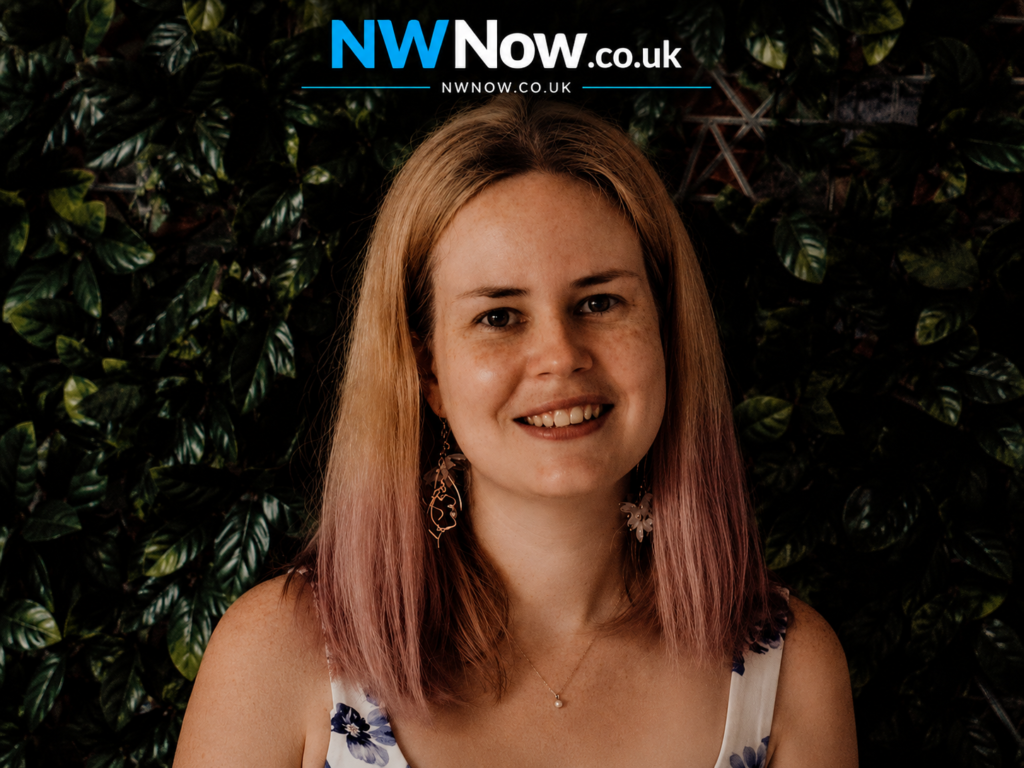

Ashleigh Rousseaux is an Australian mother whose life was forever changed in 2014 when her son, Dominic, was stillborn at 39 weeks of pregnancy . What was supposed to be a routine final ultrasound before welcoming her second child became the defining moment of her life.
Today, Ashleigh has turned her grief into purpose. She works as a community engagement manager for Red Nose, a nonprofit supporting families through pregnancy and infant loss . Her story has touched millions worldwide and continues to resonate with anyone who has experienced loss. This article explores her journey, her work, and how she keeps Dominic’s memory alive while helping others navigate their own grief.
Quick Bio Table
| Attribute | Information |
|---|---|
| Full Name | Ashleigh Rousseaux |
| Known For | Stillbirth advocacy and bereavement support |
| Profession | Community Engagement Manager at Red Nose (QLD) |
| Nationality | Australian |
| Birthplace | There is no publicly verified information available |
| Date of Birth | There is no publicly verified information available |
| Age | There is no publicly verified information available |
| Ethnicity | There is no publicly verified information available |
| Height | There is no publicly verified information available |
| Marital Status | Married |
| Children | Son Dominic (stillborn in 2014), one older child, and additional living children |
| Education | Background in science |
| Net Worth | Not publicly disclosed |
Who Is Ashleigh Rousseaux?
Ashleigh Rousseaux is a bereaved mother, advocate, and community engagement professional based in Queensland, Australia . She became involved in pregnancy loss support after the full-term stillbirth of her son, Dominic, in 2014 .
She has a background in science and has worked extensively in the bereavement space since 2016 . She is now the Manager of Community Engagement for Queensland at Red Nose, where she creates meaningful opportunities for connection and remembrance for bereaved parents and their families .
The Stillbirth of Dominic: What Happened
The Final Ultrasound
Ashleigh Rousseaux was 39 weeks pregnant and expecting her second child, a baby boy she and her husband had named Dominic . She went in for what was meant to be her final scan, lying on the sonography chair, when the silence in the room told her everything she needed to know.
“I don’t even remember the doctor saying the words,” Ashleigh recalled. “I knew immediately what had happened” .
Her second pregnancy had been closely monitored after doctors discovered Dominic had a heart defect at the morphology scan . She knew the anatomy. She knew what movement should look like. So when the probe touched her stomach, her eyes went straight to his heart. It was still .
The Moment Everything Changed
Up until that moment, the medical team had been cautiously optimistic. Ashleigh and her husband had spent months surrounded by specialists in Brisbane, preparing for a future that would involve immediate heart surgery after Dominic’s birth . They had even met the intensive care team ahead of time.
Instead, every plan for the future collapsed in that single appointment .
Ashleigh left the room and tried to behave like a “normal” woman at the front desk, conscious of the other expectant parents around her .
“I remember going out to the front desk and trying to pay and them shooing me out the front door,” she said. “I was just on autopilot, behaving like I had to keep it all together” .
The Phone Call to Her Husband
Ashleigh walked outside and, standing on the street corner, made the most difficult phone call of her life.
“The worst moment of my life was making that phone call and telling my husband that his baby had died,” she said. “It was his first day at a new job. It could not possibly have been more horrendous timing” .
The Hospital and Birth
At the hospital across the road, Dominic’s death was confirmed. The language was clinical “unexplained foetal demise” a phrase that felt jarringly inadequate for what had just happened .
Staff continued with standard ultrasound procedures, measuring his body and estimating his weight. Ashleigh found herself thinking thoughts that belonged to a different ending .
“Oh wow, he’s going to be really big,” she remembered thinking. “It was a really odd thing to be sitting in both of those spaces at once, like the awe and wonder of becoming a new parent to a new baby, but also nothing was how it was supposed to be anymore” .
Ashleigh gave birth to Dominic at 3:49 AM the following morning . His funeral was held one week later, on what would have been his due date .
Mending the Onesie
Even after Dominic was gone, Ashleigh said she still felt an intense urge to care for him in any way she could . Recalling a torn onesie she had bought before he died, she described carefully repairing it by hand.
“I just felt this overwhelming need to mend it for him,” she said. “I remember the day before the funeral getting out my sewing kit and really slowly taking my time to hand stitch this onesie back together. It felt like everything at the time. I had this sense all of my parenting opportunities had gone away all of those milestones had disappeared, and it became about what I can do right then” .
Career and Advocacy
Turning Grief into Purpose
Ashleigh began working in the bereavement space in 2018 as the State Manager for SANDS (Stillbirth and Neonatal Death Support), a volunteer-based organization providing support to parents following the death of a baby .
She now works as the Manager of Community Engagement for Queensland at Red Nose, working on local, state-wide, and national projects . Her work involves creating and facilitating meaningful opportunities for connection, remembrance, and reflection for bereaved parents and their families .
The Safer Baby Bundle
Ashleigh has been involved in several Stillbirth CRE (Centre of Research Excellence in Stillbirth) projects and was a member of the Safer Baby Bundle implementation steering committee .
The Safer Baby Bundle is a statewide improvement project aimed at reducing preventable stillbirths . Ashleigh has emphasized the importance of transparent communication with parents about what they can do to reduce their risk of stillbirth.
“Feeling confident that they’ve been well informed and knowing the steps they can take to reduce their risk of stillbirth can be really empowering for parents,” she said .
She also highlighted the importance of trusting a mother’s intuition. “Too often we see women second guessing their instincts or not wanting to be a nuisance, but information is key to reducing the rates of preventable stillbirth” .
Personal Life
Keeping Dominic’s Memory Alive
Ashleigh and her husband have made a conscious effort to keep Dominic’s memory present in their lives. They speak about him openly with their other children and with new people they meet .
“My kids love talking about their brother and aren’t used to judgment or awkwardness when they do so,” she said. “Everyone around us knows and loves our whole family and accepts and embraces that we speak about Dominic openly” .
Navigating Grief and School
One powerful story Ashleigh has shared involves her older child’s experience at school. When her child was in an early grade, the class was asked to write a sentence starting with “The baby is…” Her child wrote, “The baby is dead.” The teacher interrupted, judged the subject inappropriate, and asked the child to change it in front of other students .
“The only baby they’ve ever known is their brother,” Ashleigh emphasized . The child eventually ended up in the principal’s office before the administration understood the story and apologized .
Ashleigh has since made it a practice to prepare teachers at the start of each school year by talking about Dominic upfront .
Debunking Myths About Grief
Ashleigh has become an advocate for understanding grief, particularly in children.
“People have this misconception that grief is linear,” she explained. “It’s not at all it comes in waves. With children, it happens alongside development. A young child might not seem to feel the loss of their sibling, but as they grow, they start to understand what life would be like if their sibling were here” .
She encourages parents to let children talk freely about their deceased sibling without burdening them with other people’s discomfort .
Public Impact
Media Coverage
Ashleigh’s story has been featured in major publications including People Magazine, Mamamia, and multiple international outlets . Her interview with Mamamia in February 2026 brought her story to a global audience, sparking conversations about stillbirth, grief, and the importance of bereavement support .
Advocacy Work
Through her work at Red Nose, Ashleigh continues to advocate for better support systems for families who have experienced pregnancy or infant loss. Her personal experience gives her a unique perspective and credibility in the bereavement space .
Interesting Facts
-
Ashleigh’s son, Dominic, was stillborn at 39 weeks in 2014
-
She was aware something was wrong during the ultrasound before the doctor even spoke
-
She hand-mended a torn onesie for Dominic the day before his funeral
-
She works as Community Engagement Manager at Red Nose in Queensland
-
She has been involved in the Safer Baby Bundle implementation steering committee
-
Her older child wrote “The baby is dead” in a school assignment, leading to a powerful lesson about grief
-
She believes grief comes in waves and is not linear
Key Takeaways
-
Ashleigh Rousseaux’s son Dominic was stillborn at 39 weeks in 2014
-
She knew something was wrong during the final ultrasound when she saw his heart wasn’t beating
-
She has turned her grief into purpose, working as a community engagement manager for Red Nose
-
She advocates for transparent communication with parents about stillbirth risk
-
She keeps Dominic’s memory alive by speaking about him openly with her children and others
-
Her advocacy includes preparing teachers for conversations about grief in the classroom
FAQ Section
What happened to Ashleigh Rousseaux’s baby?
Ashleigh Rousseaux’s son, Dominic, was stillborn at 39 weeks in 2014. During what was supposed to be her final ultrasound, she discovered his heart was no longer beating .
What does Ashleigh Rousseaux do for a living?
Ashleigh Rousseaux works as the Manager of Community Engagement for Queensland at Red Nose, a nonprofit supporting families through pregnancy and infant loss. She previously worked as the State Manager for SANDS .
How did Ashleigh Rousseaux know her baby had died?
Ashleigh knew immediately during the ultrasound. She had been closely monitored due to Dominic’s heart defect, and she understood the anatomy. When the ultrasound probe touched her stomach, she looked at his heart and saw it was still .
What did Ashleigh Rousseaux do to cope with her grief?
Ashleigh mended a torn onesie for Dominic by hand before his funeral, explaining that it felt like her last act of parenting. She and her husband keep his memory alive by speaking about him openly with their other children and with others .
What is Ashleigh Rousseaux’s role in stillbirth prevention?
Ashleigh has been involved in the Safer Baby Bundle implementation steering committee and advocates for transparent communication with parents about stillbirth risk. She emphasizes trusting a mother’s intuition and empowering parents with information .
What does Ashleigh Rousseaux believe about grief?
Ashleigh believes grief is not linear. She describes it as coming in waves and notes that children’s grief evolves as they grow and develop .
Does Ashleigh Rousseaux talk about Dominic with her other children?
Yes, Ashleigh and her husband speak openly about Dominic with their other children. She says her kids love talking about their brother and aren’t used to judgment when they do .
Where does Ashleigh Rousseaux work?
Ashleigh works at Red Nose as the Manager of Community Engagement for Queensland .
Final Thoughts
Ashleigh Rousseaux’s story is one of unimaginable loss transformed into meaningful advocacy. Her experience of stillbirth at 39 weeks could have broken her, but instead she chose to channel her grief into helping other families navigate similar tragedies.
Her work with Red Nose and the Stillbirth CRE has made a tangible difference in reducing preventable stillbirths and supporting bereaved families. By speaking openly about Dominic and normalizing conversations about pregnancy loss, she has helped break down the taboos that often isolate grieving parents. Her story reminds us that even in the darkest moments, there can be purpose, connection, and hope.
Read more Business Vertical Classification Categories: The Complete Guide